

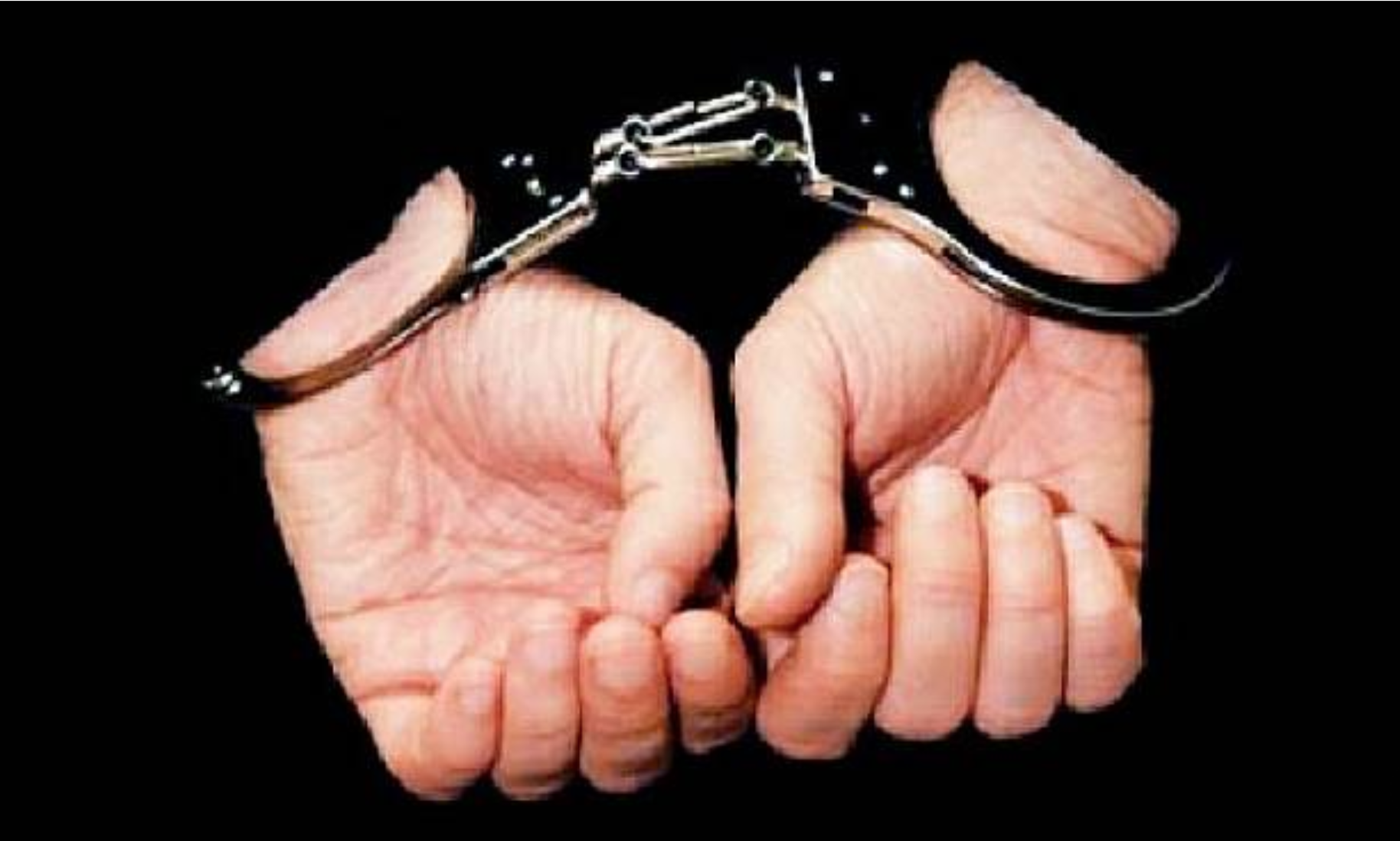
Jakarta, TheIndonesiaPost – The National Police-Criminal Investigation Agency (Bareskrim) has just revealed 200 kilograms of methamphetamine smuggling from Myanmar. The mode is quite unique, methamphetamine is hidden in a sack containing corn.
The police also secured four people suspected of having the drug, namely SC, a Jakarta resident, A, RS, and YD, residents of Batam Kepulaun Riau. While one other actor with the initial K is still in pursuit.
This is a big catch, yes! This is an achievement, yes! But behind all this achievement, maybe more drugs pass through. At least that’s the estimation of Benny Jozua Mamoto, former director of the National Narcotics Agency (BNN) which I quoted from one of the online media.
Indonesia has indeed become a market for drug trafficking. Arguably Indonesia is a haven for drugs in Southeast Asia.
Vice President H Ma’ruf Amin on National Children’s Day (HAN) recently revealed that the number of drugs abuse in Indonesia in 2019 reached 3.6 million people with vulnerable users aged 10-59 years.
While drug abuse among students in 2018 reached 2.29 million. The most vulnerable groups of people exposed to drugs are those in the age range of 15-35 years or millennial generation. “This requires special attention,” continued Ma’ruf quoted from Okezone.com.
Meanwhile, the United Nations Office on Drugs and Crime (UNODC) report found the value of methamphetamine trade for Southeast Asia and surrounding countries such as Australia, New Zealand and Bangladesh, ranging between 30.3 to 61.4 billion US dollars or reaching Rp876 trillion.
“The Asia-Pacific methamphetamine market is currently the largest in the world,” UNODC representative for Southeast Asia and the Pacific, Jeremy Douglas, was quoted by Reuters news agency.
UNODC also reported, last year around 120 tons of methamphetamine in the form of crystals and tablets were confiscated by authorities in Southeast Asia.
Indonesia is a large drug market in Southeast Asia. High population plus widespread drug use among students is the cause.
In addition, drug producers who are frightened by the strict rules in the Philippines shift their markets to Indonesia.
Not only that, drug production in countries such as Thailand, Myanmar, and Laos, which is known as The Golden Triangle, has increased.
According to a UN report in December 2014, opium production in the area has tripled since 2006 with a total of 762 tons of opium in 2014 which was then made to 76 tons of heroin. The number of drug trafficking in the Golden Triangle reached 16.3 billion dollars. That’s 2014 data, how about now maybe production has increased many times. (ojn/bbs)




Comment