


Palembang, The Indonesia Post – The Governor of South Sumatra H Herman Deru appreciated the Deputy for Education and Community Participation of the Corruption Eradication Commission (KPK) for inviting youth and NGOs persuasively to eradicate corruption, especially in South Sumatra.
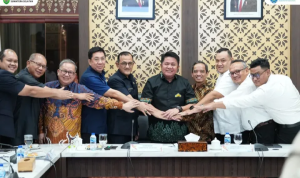
According to HD, youth as the holder of the development relay, need to have a strong determination in eradicating corruption. This was revealed by HD while attending the Technical Guidance (Bimtek) for Youth Class and Anti-Corruption NGOs in the Province of South Sumatra.
The South Sumatra Provincial Government is committed to supporting efforts to eradicate corruption. Among them, various activities to eradicate corruption have been carried out, including guidance on family technology with integrity, and in the near future the South Sumatra Provincial Government also plans to launch a Corruption-Free Village as an effort to prevent corruption from the family of every community to the village level.
“I hope there is a literacy about corruption, for example what constitutes a substantive violation in corruption cases. And there is also the application of transparency in every aspect of life,” he said.
HD hopes that the material presented can be packaged in an attractive manner so that it can foster interest, enthusiasm, and insight among the youth in eradicating corruption. And it is carried out on all levels of society evenly starting from community leaders, Islamic boarding schools, to villages.
The Head of the Task Force for the Directorate of Community Participation Development at the KPK, Johnson Ridwan Ginting, conveyed the anti-corruption youth and NGO class program with material on corruption crimes and their problems, as well as good corruption investigation techniques in order to be able to make quality complaints about alleged corruption.
Acting Deputy for Education and Community Participation of the Indonesian KPK, Amir Arif, said that there are 3 strategies used by the KPK in efforts to eradicate corruption, including public education strategies, prevention, and prosecution. (mhn/ril)


Comment