

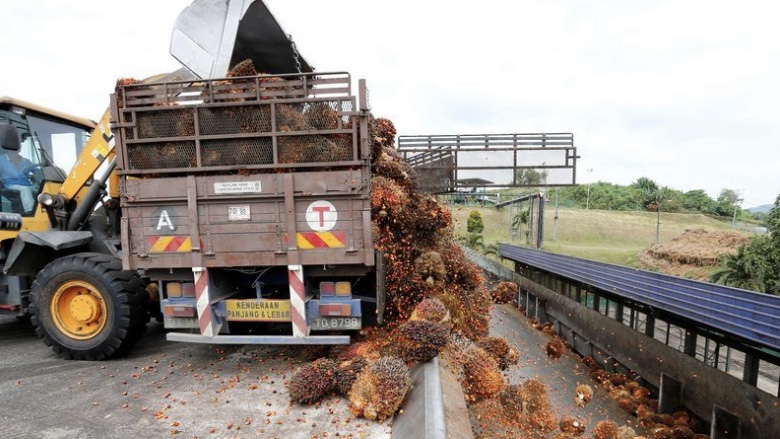
Kuala Lumpur, The Indonesia Post – Malaysia is considering cutting its export tax on palm oil and plans to slow implementation of its biodiesel mandate to help meet global demand amid a shortage of edible oils, its commodities minister told Reuters on Tuesday.
Plantation Industry and Commodities Minister Zuraida Kamaruddin said in an interview that her ministry had proposed the cuts to the finance ministry, which has set up a committee to look into the details.
Malaysia, the world’s second-largest palm oil producer after Indonesia, could cut taxes to 4 percent-6 percent from the current 8 percent, he said.
The cuts are likely to be temporary and a decision could be made as early as June, Zuraida said.
“In this time of crisis, maybe we can relax a bit so that more palm oil can be exported,” she said.
Malaysia is looking to increase its share of the vegetable oil market after Russia’s invasion of Ukraine disrupted shipments of sunflower oil and Indonesia’s move to ban palm oil exports further tightened global supplies.
Palm oil – used in everything from cakes to detergents – accounts for nearly 60 per cent of global vegetable oil shipments and the absence of a major Indonesian producer has rattled the market.
Zuraida told Reuters that importing countries had asked Malaysia to reduce its export taxes, and some – such as India, Iran and Bangladesh – were proposing barter trade.
Malaysia will also slow down the implementation of its B30 biodiesel mandate, which requires some of the country’s biodiesel to be mixed with 30 percent palm oil, to prioritize supply to the food industry, he said. (mhn/bbs)




Comment